
Understanding the RIBA Plan of Work: A Guide to the Eight RIBA Work Stages
Whether you're planning a new home, extending an existing building, or embarking on a large commercial development, understanding the RIBA Plan of Work can help you navigate the architectural process with confidence.
Developed by the Royal Institute of British Architects (RIBA), the RIBA Plan of Work provides a structured framework that guides projects from the earliest concept through to completion and occupancy. It is widely used across the UK construction industry and helps ensure that all stakeholders understand their roles and responsibilities at each stage.
What is the RIBA Plan of Work?
The RIBA Plan of Work is a project management framework that divides the design, construction, and operation of a building into eight distinct stages. The framework provides a common language for architects, clients, consultants, contractors, and project managers, helping projects progress efficiently and transparently.
The current version consists of Stages 0–7.
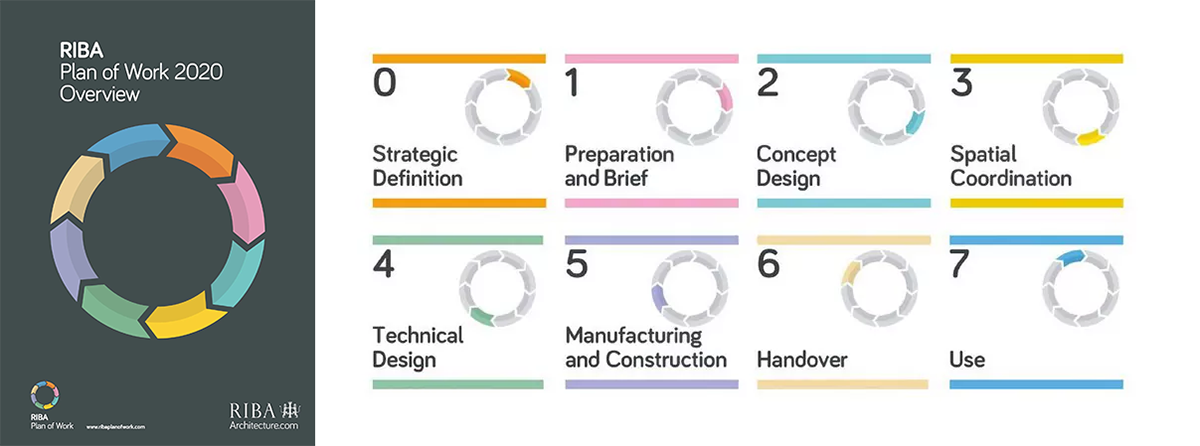
Stage 0: Strategic Definition
The project begins with defining the client's objectives and assessing whether a building project is the best solution.
Key activities include:
Identifying business and project goals
Evaluating potential sites
Reviewing budget requirements
Considering alternative options
Developing the initial project brief
At this stage, major decisions are made about the viability and direction of the project before significant design work begins.
Deliverables:
Strategic brief
Feasibility studies
Initial business case
Stage 1: Preparation and Briefing
Once the project is deemed viable, the brief is developed in greater detail.
Key activities include:
Appointing the design team
Conducting site surveys and investigations
Establishing project requirements
Defining sustainability goals
Developing project budgets and programmes
A well-prepared brief forms the foundation for successful project delivery.
Deliverables:
Project brief
Site information
Project budget and programme
Stage 2: Concept Design
This is where ideas begin to take shape.
Architects develop initial design concepts that respond to the project brief while considering planning, sustainability, functionality, and aesthetics.
Key activities include:
Developing design options
Exploring layouts and massing
Consulting with planning authorities where appropriate
Assessing project risks
Reviewing cost implications
Clients are typically presented with concept drawings and visualisations to help inform decision-making.
Deliverables:
Concept designs
Initial cost estimates
Design strategy
Stage 3: Spatial Coordination
Previously known as "Developed Design," this stage refines the preferred concept into a coordinated and technically viable proposal.
Key activities include:
Coordinating architectural, structural, and building services designs
Resolving design conflicts
Refining layouts and specifications
Preparing planning application information
By the end of this stage, the design should be sufficiently developed to support planning approval and cost certainty.
Deliverables:
Coordinated design package
Planning application documents
Updated cost plan
Stage 4: Technical Design
The technical design stage focuses on producing detailed information required for construction.
Key activities include:
Preparing construction drawings
Developing technical specifications
Coordinating specialist subcontractor information
Ensuring compliance with regulations and standards
This stage provides contractors with the information needed to build the project accurately and efficiently.
Deliverables:
Detailed construction drawings
Technical specifications
Building regulations information
Stage 5: Manufacturing and Construction
Construction begins on site.
The design team may continue to support the project by reviewing progress, responding to contractor queries, and monitoring quality.
Key activities include:
Site mobilisation
Construction works
Quality inspections
Managing design changes
Monitoring programme and costs
Regular communication between the client, contractor, and design team is essential during this phase.
Deliverables:
Constructed building
Site inspection reports
Updated project records
Stage 6: Handover
As construction nears completion, attention turns to commissioning, testing, and preparing the building for occupation.
Key activities include:
Building commissioning
Testing building systems
Training facilities managers and users
Final inspections
Rectification of defects
The goal is to ensure the building performs as intended from day one.
Deliverables:
Handover documentation
Operation and maintenance manuals
Practical completion certificate
Stage 7: Use
The final stage focuses on the building's performance during occupancy.
Key activities include:
Post-occupancy evaluation
Monitoring energy performance
Gathering user feedback
Reviewing maintenance requirements
Identifying lessons learned
This stage helps improve future projects and ensures the building continues to meet the client's objectives.
Deliverables:
Performance reviews
Occupancy evaluations
Maintenance and operational data
Why Are the RIBA Work Stages Important?
The RIBA Plan of Work provides a clear roadmap for everyone involved in a construction project. Benefits include:
Improved project organisation
Better communication between stakeholders
Enhanced cost and risk management
Clear decision-making points
Greater design and construction quality
Improved sustainability outcomes
By understanding each stage, clients can make informed decisions, manage expectations, and contribute to the successful delivery of their projects.
Conclusion
The RIBA Plan of Work remains the UK's most widely recognised framework for managing construction projects. From the initial strategic brief through to building operation, the eight stages provide a structured approach that promotes collaboration, efficiency, and quality.
Whether you're a homeowner planning an extension or a developer managing a complex commercial scheme, understanding the RIBA Work Stages can help you navigate the journey from concept to completion with greater confidence and clarity.